Types of Fishing Line: Mono, Fluorocarbon and Braid
By Jake Harlow · Updated September 2026 · As an Amazon Associate, Tetra Hook earns from qualifying purchases. Disclosure.
Fishing line is the only thing between you and the fish, and the three main types behave very differently. This guide explains monofilament, fluorocarbon and braided line, when to use each, what pound test to choose, and links to our researched line buying guides.
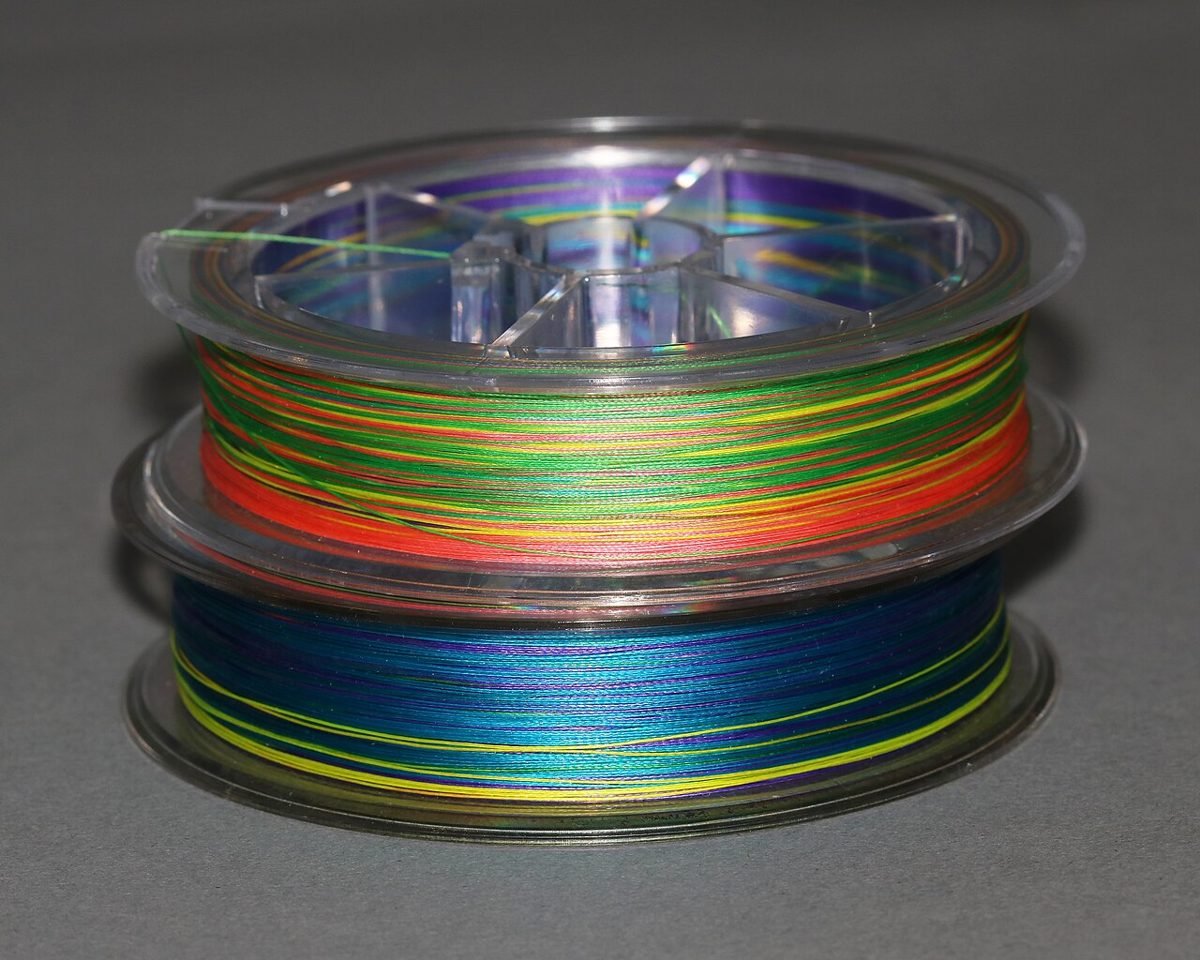
Our fishing line buying guides
| Guide | What it covers | Our top pick |
|---|---|---|
| Best braided fishing line | Braid for power fishing, heavy cover and long casts | Sufix 832 |
| Best fluorocarbon line and leaders | 100% fluorocarbon main lines and leaders | Seaguar InvizX |
Types of fishing line
| Line type | Stretch | Visibility | Sinks or floats | Best for |
|---|---|---|---|---|
| Monofilament | High | Low to medium | Floats (slowly sinks) | Beginners, topwater, all-round fishing, budget |
| Fluorocarbon | Low to medium | Very low | Sinks | Leaders, clear water, finesse, crankbaits |
| Braid | Almost none | High | Floats | Heavy cover, frogs, long casts, deep water, sensitivity |
| Copolymer | Medium | Low | Slowly sinks | A mono upgrade with less stretch |
| Fly line | Low | High | Floating or sinking | Casting flies |
| Wire and lead-core | None | High | Sinks | Toothy fish leaders; trolling to a set depth |
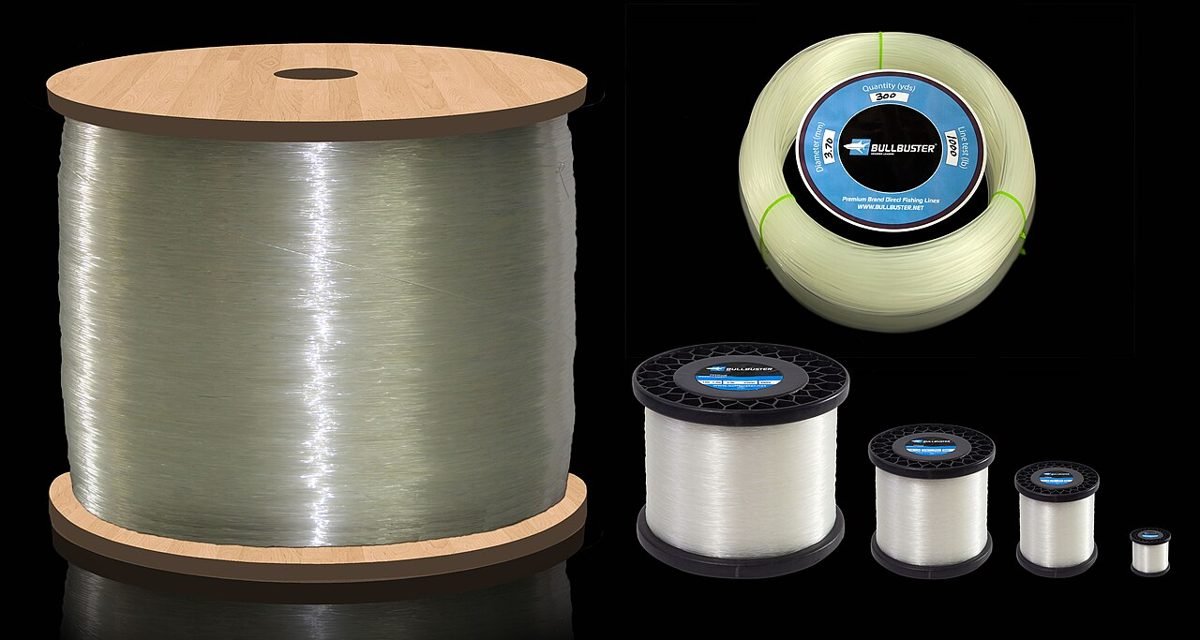
How to choose fishing line
- Start with the fish and cover: 4–8 lb for trout and panfish, 8–14 lb mono or fluoro for bass on open water, 30–65 lb braid in heavy weeds and wood.
- Braid with a leader: many anglers spool braid for strength and casting, then add a fluorocarbon leader for invisibility. See line-joining knots.
- Salmon and trout: see which size line for salmon, how many yards of line for salmon and what pound test leader for trout.
- Replace it: mono ages and takes a set; see how often to change fishing line.
Pound test by species
| Species | Mono or fluorocarbon | Braid (with leader) |
|---|---|---|
| Panfish and crappie | 2–6 lb | 6–10 lb |
| Trout | 2–8 lb | 6–15 lb |
| Bass | 8–17 lb | 20–65 lb |
| Walleye | 6–10 lb | 10–20 lb |
| Catfish | 15–30 lb | 50–80 lb |
| Salmon and steelhead | 10–25 lb | 30–65 lb |
| Pike and musky | 15–25 lb (plus wire or heavy leader) | 50–80 lb |
| Inshore saltwater | 10–20 lb | 10–30 lb |
Braid is much thinner than mono of the same strength, so 30 lb braid is about the diameter of 8 lb mono. Go lighter in clear water and open areas, and heavier around weeds, wood, rocks and big fish.
Pros and cons at a glance
- Monofilament: cheap, forgiving stretch, easy knots, floats for topwater; but stretch reduces feel and it weakens with sunlight and age.
- Fluorocarbon: nearly invisible, sinks, abrasion-resistant, sensitive; but stiffer, pricier and needs careful knots.
- Braid: strongest for its diameter, no stretch, casts far, lasts for years; but visible, slippery for knots and can dig into itself on the spool.
Knots for every line
Braid, fluorocarbon and mono each hold some knots better than others. Palomar and improved clinch knots are the easiest to learn; braid needs knots that grip slippery line.
- Fishing knots: how to tie the 6 essential knots
- Easy fishing knots to learn
- How to tie a Palomar knot
- Top braided line knots
- How to tie an Albright knot
- Best saltwater fishing knots
- Fishing loop knots
More line guides
- How to straighten fishing line
- Can salmon see fishing line?
- 10 ways to avoid line snags
- How much line to put on a spinning reel
Frequently asked questions
What are the 3 types of fishing line?
Monofilament, fluorocarbon and braided line. Copolymer, fly line, wire and lead-core are specialist lines.
Which fishing line is best for beginners?
Monofilament: cheap, forgiving, easy to tie and easy to manage on a spinning reel.
Is braid or fluorocarbon better?
Neither for everything. Braid is stronger and more sensitive; fluorocarbon is nearly invisible and sinks. Many anglers use braid with a fluorocarbon leader.