
Types of Fishing Reels: A Guide to Choosing the Best Reel
By Jake Harlow · Updated September 2026 · As an Amazon Associate, Tetra Hook earns from qualifying purchases. Disclosure.
Fishing reels come in a handful of basic designs, and each suits different lures, line and fish. This guide explains the types of fishing reels, how they work, who each one is for, and how to read reel sizes and gear ratios, with links to our researched buying guides.
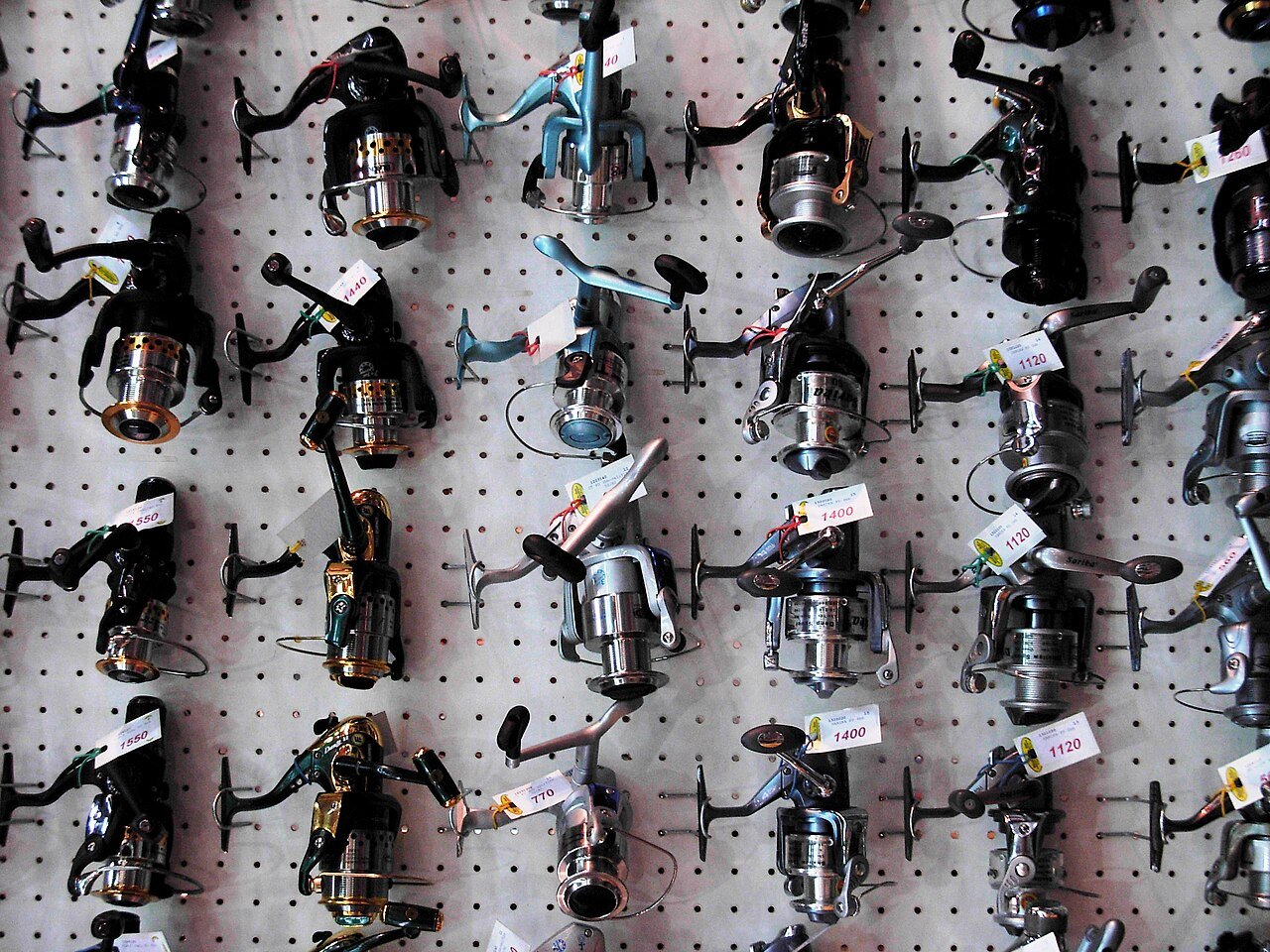
Our fishing reel buying guides
| Guide | What it covers | Our top pick |
|---|---|---|
| Best spinning reels | Freshwater and saltwater spinning reels from 1000 to 6000 size | Shimano Sedona FJ |
| Best baitcasting reels | Low-profile baitcasters for bass and more | Abu Garcia Revo SX |
| Best salmon rods and reels | Spinning, levelwind and line-counter reels for salmon | PENN Battle IV DX |
| Best saltwater combos | Matched rod and reel sets for the coast | Ugly Stik Bigwater combo |
Types of fishing reels
| Reel type | How it works | Best for | Learning curve |
|---|---|---|---|
| Spinning reel | Fixed spool under the rod; a bail wraps line on | Most anglers, light lures, beginners | Easy |
| Baitcasting reel | Spool turns on the cast; you control it with your thumb | Heavier lures and line, accuracy, bass | Harder |
| Spincast reel | Closed face with a push button | Kids and first-timers | Easiest |
| Fly reel | Simple spool that stores fly line and backing | Fly fishing | Moderate |
| Conventional / trolling reel | Large round baitcaster with a star or lever drag | Offshore, trolling, big fish | Moderate |
| Line-counter reel | Levelwind reel that shows how much line is out | Trolling at a set depth | Moderate |
| Centerpin reel | Free-spinning spool for drifting floats | Steelhead and salmon in rivers | Harder |
Spinning vs. baitcasting reels
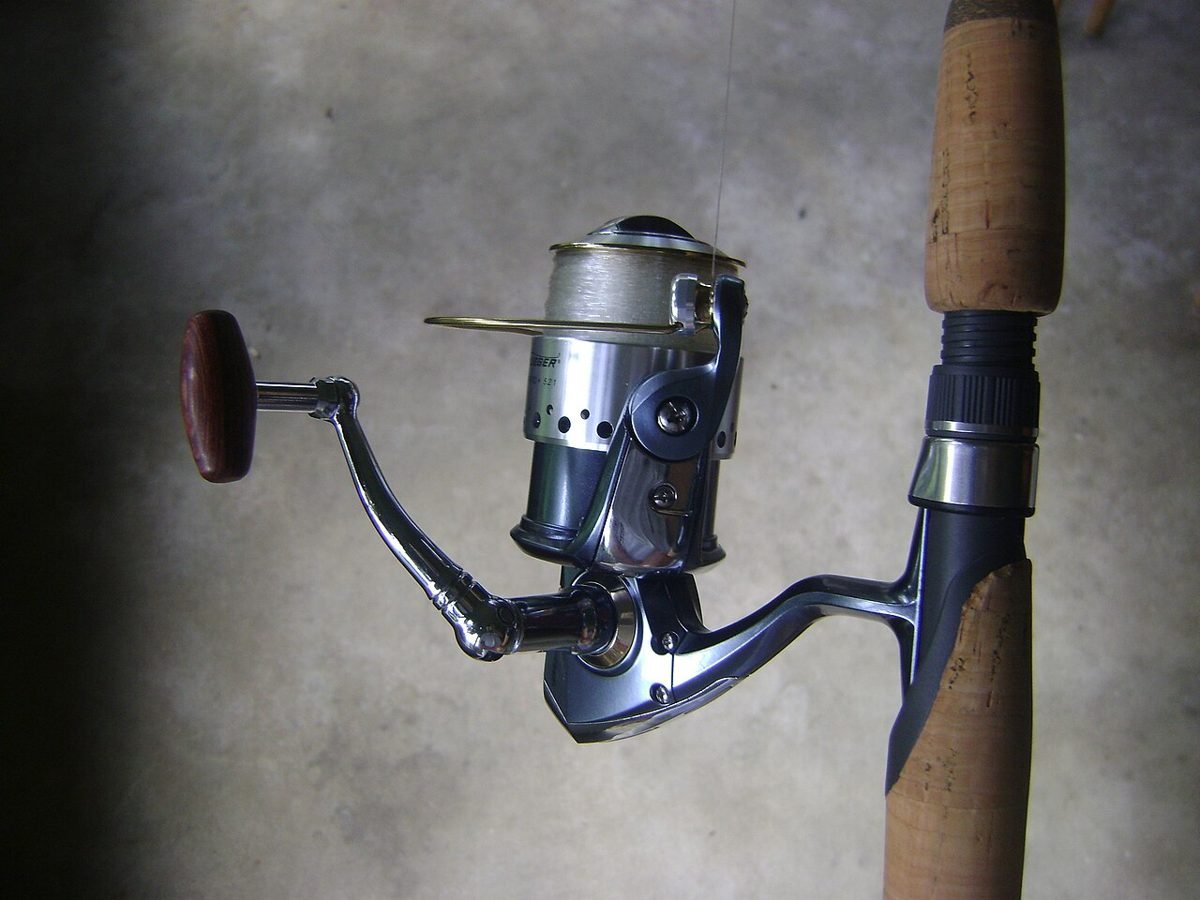
Spinning reels are the easiest to use and handle light lures and thin line well, which makes them the best first reel. Baitcasting reels sit on top of the rod and give more power, accuracy and control with heavier lures and line, but you need to learn to control the spool with your thumb to avoid backlashes. Many anglers own both. Read baitcaster vs. spinning reel and how to use a baitcaster.
Reel sizes, gear ratios and drag
- Spinning reel sizes run from 1000 (ultralight) to 5000+ (surf and saltwater). A 2500 or 3000 reel is the best all-round freshwater size; see the size chart in our spinning reel guide.
- Gear ratio is how many times the spool or rotor turns per handle turn. Low ratios (5:1–6:1) give power for deep crankbaits; high ratios (7:1–8:1+) pick up line fast for pitching and topwater.
- Drag lets a fish pull line without breaking it. Learn to set it: how to set drag on different reels.
- Line capacity: see how much line to put on a spinning reel.
Matching a reel to your rod and line
| Fishing | Reel | Size | Line |
|---|---|---|---|
| Panfish, trout, ultralight | Spinning | 1000–2000 | 2–6 lb mono or fluoro |
| Bass and walleye, all-round | Spinning or baitcasting | 2500–3000 / 100–150 | 8–14 lb or 20–40 lb braid |
| Heavy cover bass, pike | Baitcasting | 150–200 | 40–65 lb braid |
| Catfish | Baitcasting (round) or spinning | 4000–6000 / 5000–6500 | 15–30 lb mono or 50–65 lb braid |
| Salmon and steelhead | Spinning, levelwind or centerpin | 3000–6000 | 10–25 lb |
| Inshore and pier saltwater | Sealed spinning | 3000–6000 | 10–30 lb braid |
| Offshore and trolling | Conventional or line-counter | Large | 30–80 lb |
A reel should balance the rod: hold the combo at the front of the reel seat and it should feel level rather than tip-heavy. Too heavy a reel tires your wrist; too light a reel makes a long rod feel clumsy.
Spincast and fly reels
Spincast reels hide the line under a closed cover and release it with a push button, so they almost never tangle. They are the easiest reel for young children but cast shorter and have weaker drags than spinning reels. Fly reels do little during the cast, because in fly fishing you cast the weight of the line rather than the lure; they store line and provide drag when a big fish runs. Choose a fly reel that matches the line weight of your fly rod.
Reel care and setup guides
- How to oil fishing reels
- How to put line on a closed and open face reel
- Can a baitcaster go on a spinning rod?
- How to set up a centerpin reel
- How to cast a centerpin reel
- Centerpin fishing for trout
Frequently asked questions
What are the 4 main types of fishing reels?
Spinning, baitcasting, spincast and fly reels. Conventional, line-counter and centerpin reels are specialised versions for trolling and river fishing.
Which type of fishing reel is best for beginners?
A spinning reel. Spincast reels are even simpler for young children, but spinning reels cast further and handle more situations.
What size reel do I need?
For most freshwater fishing, a 2500 or 3000 spinning reel or a 100–150 size baitcaster. Go larger for saltwater, salmon and catfish.