
Types of Fishing Rods: A Guide to Choosing the Best Rod
By Jake Harlow · Updated September 2026 · As an Amazon Associate, Tetra Hook earns from qualifying purchases. Disclosure.
There is no single best fishing rod, only the best rod for the fish, lure and water in front of you. This guide explains the main types of fishing rods and what each one is for, how length, power and action change the way a rod fishes, and links to our researched buying guides for specific kinds of rod.
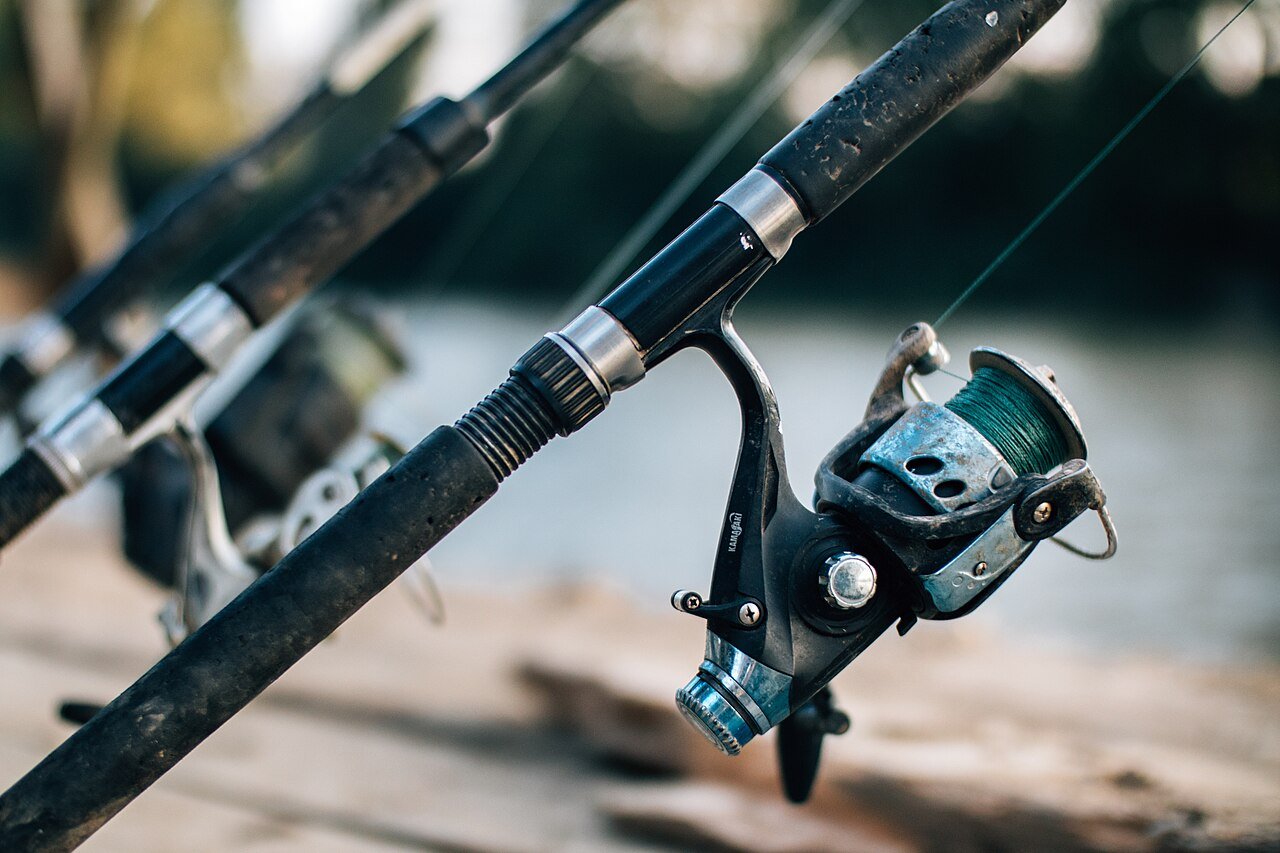
Our fishing rod buying guides
| Guide | What it covers | Our top pick |
|---|---|---|
| Best baitcasting rods for bass | Casting rods for jigs, plastics and moving baits | Shimano SLX |
| Best crankbait rods | Moderate-action rods for crankbaits and treble-hook baits | Lew’s TP2 Crankbait |
| Best catfish rods | Heavy rods for channel, blue and flathead catfish | Ugly Stik Catfish Special |
| Best saltwater rod and reel combos | Pier, inshore and surf setups | Ugly Stik Bigwater combo |
| Best salmon rods and reels | River, float, drift and trolling salmon gear | Okuma Celilo |
Types of fishing rods
| Rod type | Typical length | Best for |
|---|---|---|
| Spinning rod | 5’6″–8′ | Beginners, light lures and line, most freshwater fishing |
| Casting (baitcasting) rod | 6’6″–8′ | Heavier lures and line, accuracy, bass, pike and catfish |
| Spincast rod | 5’–6’6″ | Kids and first-time anglers; push-button reels |
| Fly rod | 7’–10′ | Casting weighted fly line for trout, bass and salmon |
| Surf rod | 9’–13′ | Long casts from the beach with heavy sinkers |
| Telescopic rod | 5’–12′ extended | Travel, backpacking and keeping a rod in the car |
| Ice fishing rod | 24″–36″ | Jigging through a hole in the ice |
| Trolling rod | 7’–10’6″ | Pulling lures behind a boat, often with downriggers |
| Centerpin or float rod | 11’–15′ | Drifting a float through river runs for salmon and steelhead |
Rods are also made for specific techniques, such as crankbait rods with soft moderate actions, heavy catfish rods and long salmon rods. Freshwater and saltwater rods also differ: see saltwater vs. freshwater fishing rods.
Length, power and action explained
- Length: longer rods cast further and control line better; shorter rods are more accurate and easier in a boat or on a small stream.
- Power (ultralight to extra-heavy) is how much force it takes to bend the rod. Match it to the lure weight and line rating printed above the handle.
- Action (fast, moderate, slow) is where the rod bends. Fast rods bend near the tip for sensitivity and hooksets; moderate rods bend deeper and suit treble-hook lures.
- Material: graphite is light and sensitive, fiberglass is tough and forgiving, and composite rods blend the two.
More detail: uses of different rod lengths and actions, what action rod is best for crankbaits and the best length for a crankbait rod.
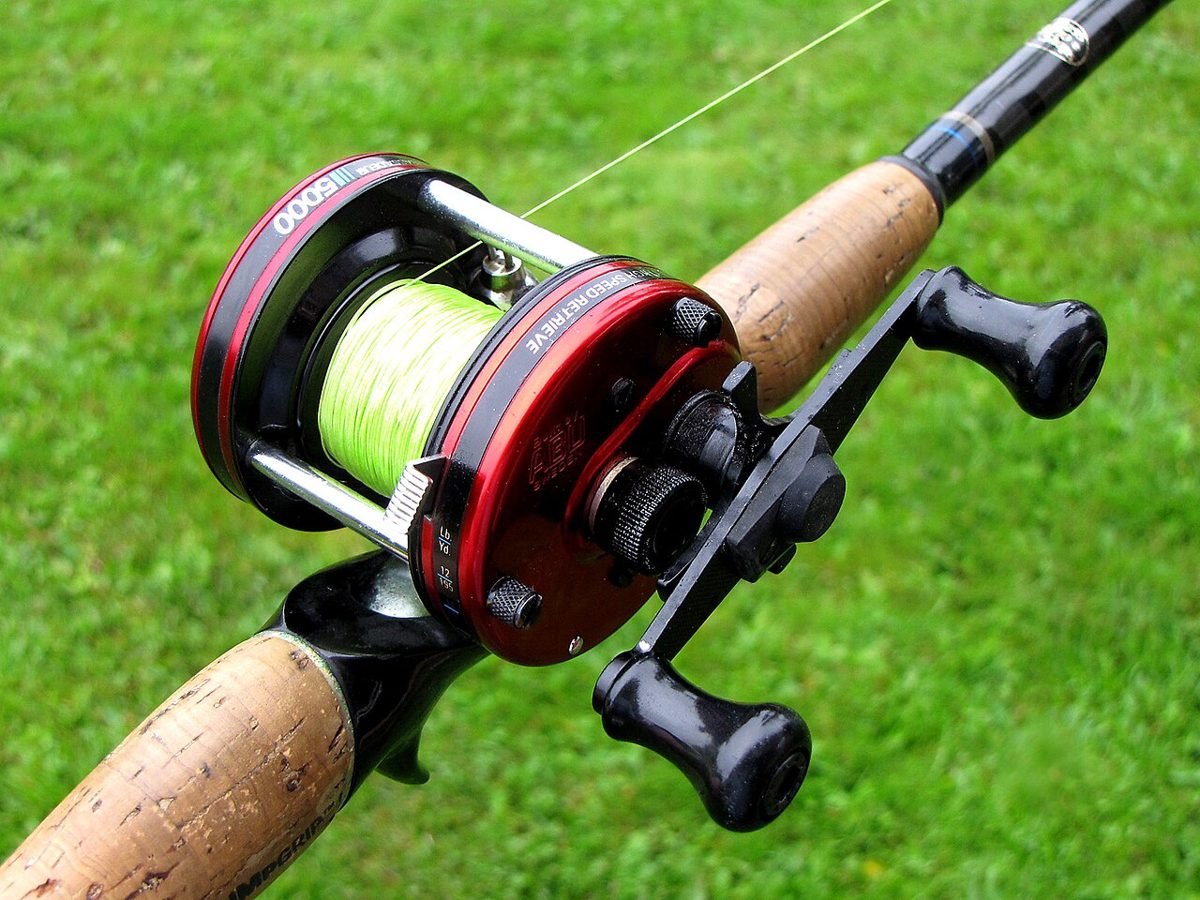
How to choose your first rod
- Decide what you will fish for most and where (pond, river, lake, pier or beach).
- For most beginners, a 6’6″–7′ medium-power, fast-action spinning rod covers the most situations.
- Match the rod’s line and lure rating to what you plan to use.
- Add a second rod for a different technique later: see how many fishing rods you should have and how many bass rods you need.
- Pair it with the right reel: see our fishing reel guide.
Which rod for which fish?
| Target | Rod type | Length | Power / action | Line |
|---|---|---|---|---|
| Panfish and crappie | Spinning | 5’6″–7′ | Ultralight–light / fast | 2–6 lb |
| Trout in streams | Spinning or fly | 5’–7′ | Ultralight–light / moderate | 2–6 lb |
| Bass, all-round | Spinning or casting | 6’6″–7’3″ | Medium–medium-heavy / fast | 8–15 lb or 30–50 lb braid |
| Walleye | Spinning | 6’3″–7′ | Medium-light–medium / fast | 6–10 lb |
| Catfish | Casting or spinning | 7’–8′ | Medium-heavy–heavy / moderate | 15–30 lb or 50–65 lb braid |
| Salmon and steelhead | Spinning or casting | 8’6″–10’6″ | Medium–medium-heavy / moderate-fast | 10–25 lb |
| Inshore saltwater | Spinning | 7’–7’6″ | Medium–medium-heavy / fast | 10–20 lb braid |
| Surf fishing | Surf spinning | 9’–12′ | Medium-heavy–heavy / moderate | 20–40 lb braid |
These are starting points rather than rules: a 7′ medium spinning rod will catch most of these fish in a pinch, and many anglers start with one all-round rod and add specialised rods as they find the fishing they enjoy most.
One-piece vs. two-piece and telescopic rods
One-piece rods are slightly lighter and more sensitive because there is no joint. Two-piece rods are far easier to carry in a car, on a plane or on a hiking trail, and modern ferrules make the difference small for most anglers. Telescopic rods collapse to under two feet, which makes them ideal for travel and emergency kits, but they are rarely as strong or sensitive as a good two-piece rod.
More rod guides
- What are baitcaster rods used for?
- Can you use a catfish rod for surf fishing?
- How to line a fishing pole
- How to store fishing rods in a garage
- Best fishing rod holders for the garage
- How to make a fishing rod in the wild
Frequently asked questions
What are the main types of fishing rods?
Spinning, casting, spincast, fly, surf, telescopic, ice and trolling rods. Spinning and casting rods cover most everyday fishing.
What is the best all-round fishing rod?
A 6’6″–7′ medium-power, fast-action spinning rod handles the widest range of freshwater fishing.
Should I buy a rod and reel combo?
Combos are good value for beginners and guests. Experienced anglers usually buy the rod and reel separately to match them to a technique.